
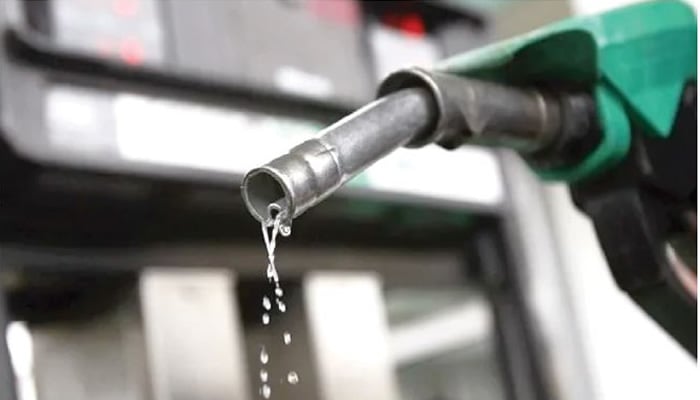
Petroleum product merchants have stated that the best way to protect Nigerians from the shock of a sudden increase in fuel prices is for the Federal Government to sell crude oil to the Dangote Petroleum Refinery and other local refineries at discounted pricing.
To avoid a dramatic spike in petrol costs, the marketers urged the Federal Government to sell crude oil to domestic refiners at a subsidized rate.
The Independent Petroleum Marketers Association of Nigeria specifically asked President Bola Tinubu to explore subsidizing crude prices as well as expanding the naira-for-crude contract to other modular refineries in the country.
According to The PUNCH, the Dangote refinery has increased the pump price of petrol to N839 per liter at MRS and other filling stations.
A few days later, global oil prices rose above $70 per barrel, fueling concern that petrol prices in Nigeria could reach N1,000 per liter, particularly in areas far from refineries or big tank farms.
Speaking on the development, IPMAN spokesman Chinedu Ukadike stated that a subsidized crude oil supply has become vital to absorbing the shock of any potential price increase.
Crude oil prices, which serve as the primary feedstock for refineries, are continually fluctuating, and these variations have a direct impact on the cost of gasoline, diesel, and other fuels.
Ukadike believes the Federal Government could grant refineries a ‘special deal’ on crude oil to function as a buffer, allowing pump prices to remain stable even as global crude prices climb. In an interview with our journalist, he stated, “We should examine crude oil subsidies.
The Federal Government can see how to subsidize crude oil delivered to Dangote in naira.
According to him, subsidized oil would assist in preventing what he described as a sudden surge in petroleum product costs, which frequently affects the cost of domestic goods and services.
“The subsidy will prevent abrupt increases in domestic goods and services. We are requesting that the Federal Government subsidize the crude oil it sells to Dangote and other refiners that produce fuel locally,” he said.
The IPMAN official explained that the refinery recently asked marketers to increase payments already made for petroleum products by N100 per liter due to the surge in global crude prices, urging the Federal Government to consider a crude subsidy.
Last Monday, the Dangote refinery announced a raise in its gantry petrol price from N699 to N799 per liter. The change raised Dangote’s gantry pricing by around N70 above the landing cost of imported Premium Motor Spirit.
The PUNCH discovered that merchants who had made payments and processed final slips at N699 per liter were later instructed to increase the price to N799 per litre before loading. This followed the refinery’s withdrawal of its temporary holiday pricing assistance and the invalidation of previously given loading authorizations.
Our correspondent notes that following the Dangote refinery’s price increase, most filling stations across the country altered their pump pricing.
In Lagos, petrol prices ranged between N830 and N859 per liter. The Nigerian National Petroleum Company Limited offered PMS on the Lagos-Ibadan Expressway for N849 per liter. MRS filling stations distributed the product for N839 a liter; however, a few outlets sold at slightly lower pricing than the Dangote-partnered MRS stations.
With the rise in gas prices, Ukadike said fuel sales had slowed compared to the December holiday season, indicating that many consumers were becoming more careful in their fuel consumption.
“The market is growing lethargic today, unlike over the holiday season when prices were cheap. People were filling their tanks back then, but now they are becoming more cautious because to the price hike,” the IPMAN leader added.
Although Brent crude finished at $69.32 per barrel on Sunday evening, Ukadike warned that unless crude prices fell to approximately $60 per barrel, gasoline prices would continue to rise.
According to him, crude oil prices and currency rates continue to be the most important determinants of fuel pricing, and any changes in either would have an impact on how petroleum products are marketed domestically.
Ukadike further cautioned that if the crude price increase continues, petrol might reach N1,000 per litre, particularly in places far from fuel depots. “The spike in crude prices will undoubtedly have an impact on our local economy. The price of petroleum products will fall if the price of crude oil falls; this is a market premise,” he stated.
He stated that rising crude oil prices were putting pressure on marketers by reducing their purchasing power.
“Crude oil is used to refine petroleum products; if its price rises, so will the prices of petroleum goods. We are preparing for that. The main concern is that it is putting pressure on our purchasing power because too much naira is currently being spent on a few liters of petroleum items,” Ukadike noted.