
By Nasir Abdulquadri, CEO, NASTV Africa
Nigeria’s dependence on imported textiles presents more than an economic challenge. It is also a question of national identity, industrial policy, and the country’s willingness to invest in its own creative and productive capacity.
For decades, millions of Nigerian schoolchildren have worn uniforms made from imported textile materials, while government institutions and other organizations continue to rely heavily on foreign-produced fabrics and garments.
In a country with a population of more than 210 million people, the scale of this demand represents a significant economic opportunity one that Nigeria may be overlooking.
One possible answer lies in a traditional textile that has been part of the country’s cultural heritage for generations: Aso Oke.
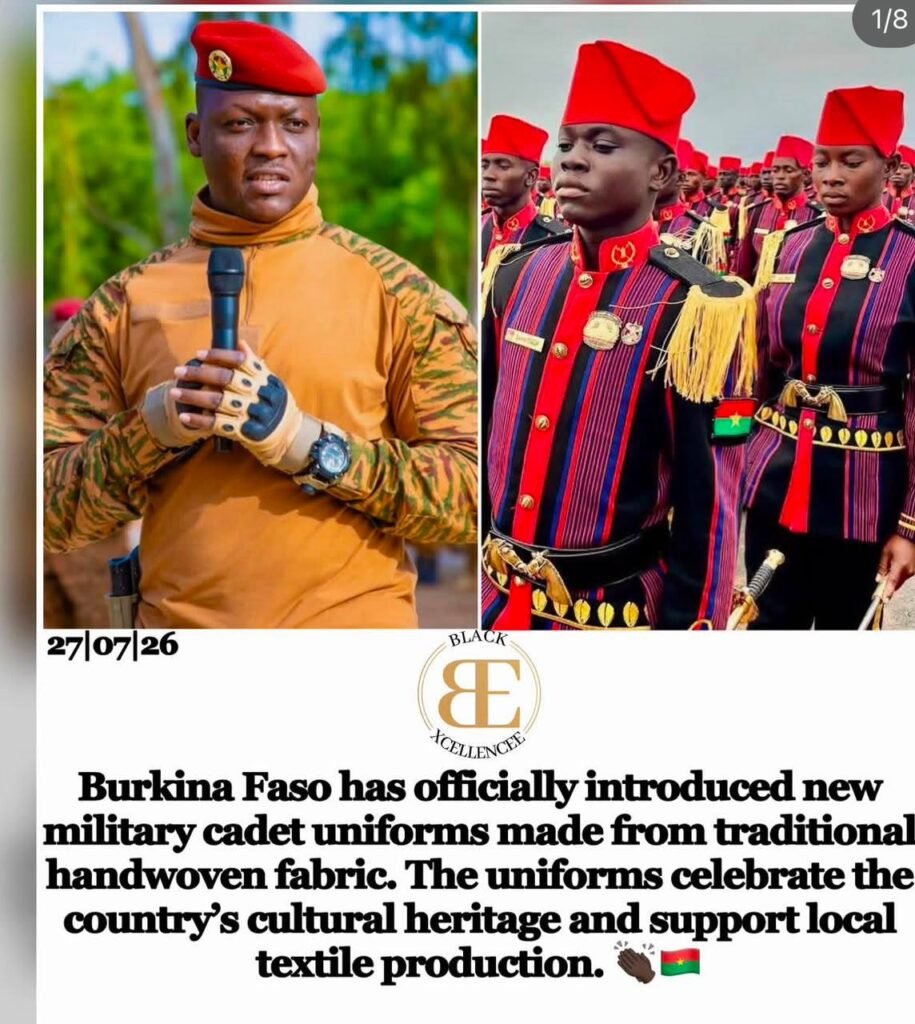
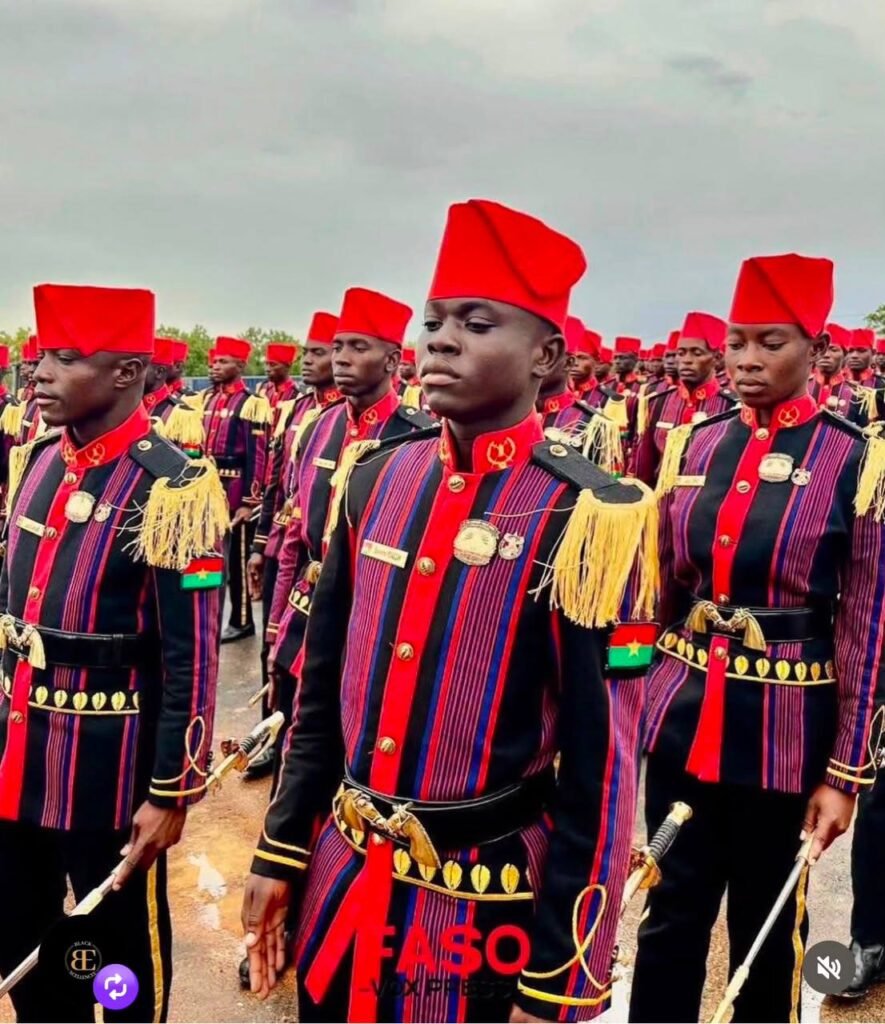
Recent attention surrounding initiatives in countries such as Burkina Faso, where traditional handwoven fabrics have reportedly been considered for use in military cadet uniforms, has sparked conversations about the role of indigenous textiles in national development.
While such initiatives deserve recognition, Nigeria must also look inward.
The country has a long-standing tradition of handwoven textile production, with skilled practitioners across regions including the North Central and Southwest. Communities such as Ilorin and Iseyin have built generations of expertise around weaving and textile craftsmanship.
The question, therefore, is not whether Nigeria has the talent or cultural resources to develop its indigenous textile industry. The question is whether the country is prepared to create the policies and investments required to turn that heritage into economic value.
A Market Running Into Millions
The potential market for locally produced textiles is enormous.
Nigeria has millions of pupils and students across primary and secondary schools in all 36 states. Every year, young Nigerians enter the National Youth Service Corps (NYSC), while government ministries, departments, agencies, and other institutions maintain various uniform requirements.
This creates a large and recurring market for textile production. If even a portion of this demand were deliberately redirected toward locally produced materials, the impact could extend across the entire textile value chain:
- From cotton farmers to weavers
- From textile manufacturers to fashion designers
- From tailors to garment factories
- From logistics companies to small businesses
A deliberate policy of local sourcing could create economic opportunities at multiple levels while providing traditional artisans with a larger and more sustainable market for their products. The result could be a textile industry that does not merely preserve traditional craftsmanship but transforms it into a viable economic sector.
Beyond Culture: The Economic Argument
The debate around Aso Oke should not be reduced to cultural preservation. There is a strong economic argument for developing Nigeria’s indigenous textile industry.
The country continues to face pressure on its foreign exchange reserves, while businesses and consumers rely heavily on imported goods across several sectors. Every opportunity to increase domestic production and reduce unnecessary imports deserves serious consideration.
A stronger local textile industry could help:
- Reduce capital outflows
- Create sustained job opportunities
- Strengthen small and medium-sized enterprises
- Contribute to the broader goal of economic diversification
For communities that have historically depended on traditional weaving, increased demand could also provide an opportunity to preserve skills that are at risk of being lost while creating new income streams for younger generations. This is where cultural heritage and economic development can meet.
The Policy Question
The real challenge is implementation. For Nigeria to fully benefit from its textile potential, government policies must go beyond rhetoric.
There should be deliberate investment in the textile value chainfrom cotton production and processing to weaving, modern manufacturing, fashion design, and garment production. Government-funded uniforms and official clothing should, where practical and appropriate, prioritize locally sourced materials.
But policy alone will not be enough. The industry must also evolve.
Aso Oke must be adapted to contemporary needs and consumer preferences. Traditional weaving can be combined with modern design, technology, and manufacturing techniques to produce textiles that are not only culturally significant but also commercially competitive.
The goal should not be to preserve Aso Oke in its traditional form alone. The goal should be to take it to the next level.
A Nigerian Textile Industry for a New Generation
Aso Oke has long been associated with weddings, cultural ceremonies, festivals, and special occasions. But its potential is far broader.
With innovation and investment, the fabric can find new applications in contemporary fashion, institutional clothing, corporate wear, uniforms, and even international markets.
To demonstrate this potential, we have curated a collection of images showcasing how Aso Oke can be adapted into different uniform styles. These concepts are not simply about fashion they represent a broader conversation about what is possible when Nigeria begins to view its cultural assets as economic assets.
The country has the talent.
It has the artisans.
It has the market.
It has the history.
What is needed is the political will, private-sector investment, and strategic collaboration to connect these resources into a functioning industry.
Nigeria has spent years looking outward for solutions to many of its economic challenges. Perhaps the time has come to look inward and ask what can be built from the resources, skills, and creativity already within the country.
The conversation about Aso Oke is therefore bigger than fabric. It is a conversation about jobs, identity, industrialization, local production, and economic independence.
If Nigeria can successfully connect its traditional craftsmanship with modern manufacturing and a deliberate local procurement strategy, Aso Oke could become more than a symbol of cultural pride it could become part of the foundation of a stronger domestic textile industry.
The opportunity is there.
The expertise is there.
The market is there.
The question now is whether Nigeria is ready to act.


Wanderful presentation, i hope and wish our government look into the issues around patronising our local materials to boost our economy and reduce if not cut off completely unnecessary borrowing. God bless you my brother