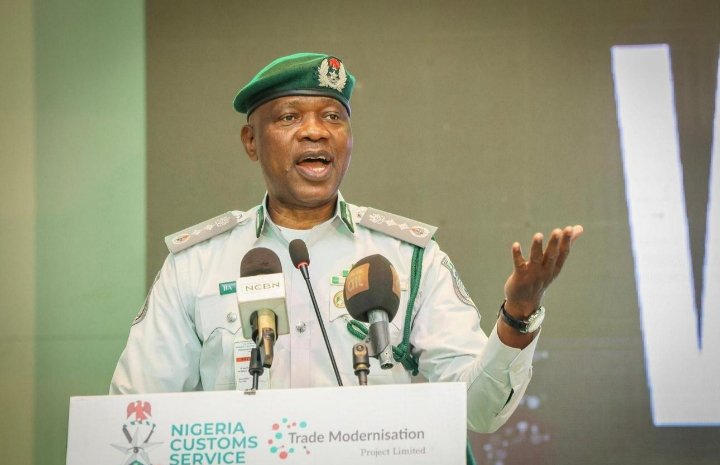
The Comptroller-General of the Nigeria Customs Service (NCS), Bashir Adewale Adeniyi, has called for stronger legislative collaboration to sustain the Service’s ongoing digital transformation and build a more efficient, transparent and technology-driven customs administration.
Adeniyi made the call on August 5, 2026, while delivering the keynote address at a two-day retreat organised for members of the Senate Committee on Customs.
The retreat, themed “Legislative Oversight in the Context of Nigeria Customs Service Modernisation and Reforms,” provided an opportunity for lawmakers and Customs officials to deepen their understanding of the reforms and explore ways to further strengthen Nigeria’s trade administration.
The Customs CG said the growing use of technology in customs operations presents an opportunity for legislative oversight to focus more closely on the systems, rules and data that drive efficient trade.
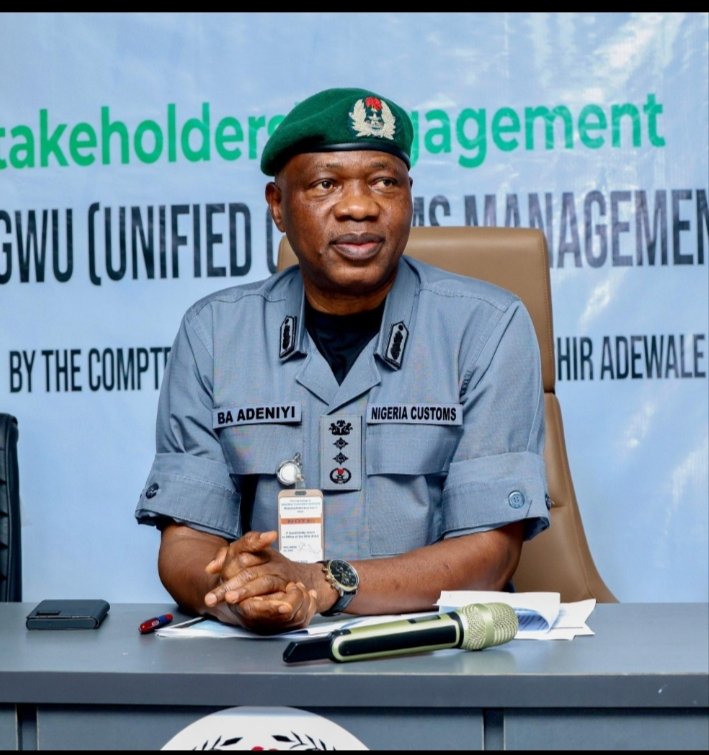
He highlighted areas such as risk management, cargo examination, valuation systems, cargo release times and trade exemptions as important components of a modern customs administration.
At the heart of the reform is the Service’s effort to make customs processes more predictable and transparent by reducing unnecessary human discretion and increasing the use of automated risk assessment, valuation references and data-driven targeting.
The deployment of the B’Odogwu platform and the Trade Modernisation Project is central to this transformation, creating an electronic environment where decisions can be tracked, processes monitored and delays more easily identified.
The reforms are already being accompanied by strong revenue performance.
The Customs Service generated ₦7.277 trillion in 2025, exceeding its revenue target by 10.24 per cent, while it collected ₦3.35 trillion between January and May 2026. Adeniyi, however, emphasised that the sustainability of this performance depends on the strength of the systems supporting it.
For businesses and traders, the transformation could bring significant benefits, including greater predictability, improved transparency and more efficient cargo processing.
Adeniyi also encouraged continued legislative support for the integrity of the Service’s automated systems, noting that maintaining consistent rules is essential to achieving the full benefits of digitalisation.
He further called for legislative attention to Nigeria’s trade exemption and waiver regime, stressing the importance of ensuring that existing concessions continue to deliver the policy objectives for which they were created.
The Customs CG credited the Nigeria Customs Service Act 2023 with providing a modern legal foundation for the reforms, including electronic processing, advance rulings, Authorised Economic Operator status and sustainable investment in Customs modernisation.
He acknowledged that the transformation is still progressing, with some ports, officers and traders continuing to adapt to the new systems. However, he maintained that the direction of the reform is clear.
The ultimate objective, he said, is to build a Customs administration that operates increasingly on rules rather than relationships—a transformation that could strengthen transparency, improve trade efficiency and support Nigeria’s broader economic growth.
Nigeria’s leadership role at the World Customs Organization, where it currently chairs the Council representing customs administrations across 186 administrations, further reflects the country’s growing contribution to global customs modernisation.
As the reforms continue, stronger collaboration between the Customs Service and the National Assembly could help consolidate the progress already recorded and create an even more efficient environment for businesses, traders and the Nigerian economy.
NASTV AFRICA
Manifesting Africa’s Greatness.