
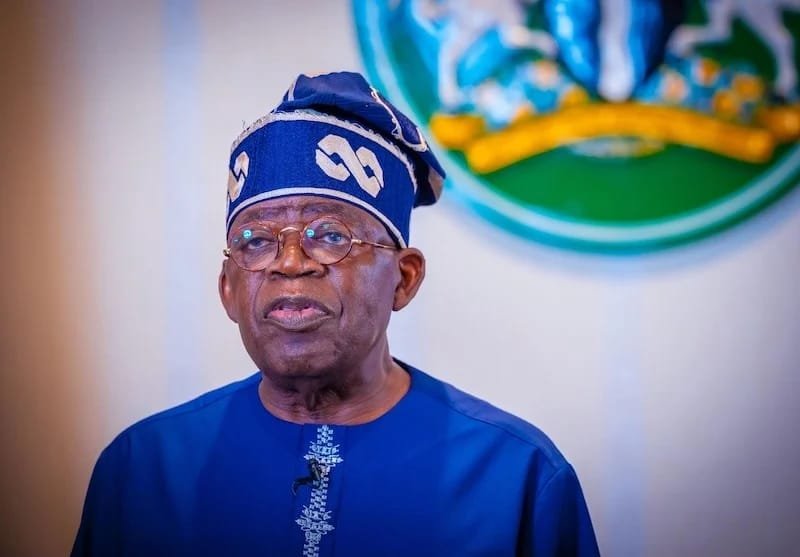
Tinubu’s Order Helps Cut Federation Account Deductions to ₦8.4tn – World Bank
Nigeria recorded a significant reduction in deductions from its Federation Account in the first half of 2026, following changes introduced by President Bola Tinubu’s administration to the management of certain oil and gas revenues.
According to the World Bank’s Nigeria Development Update report, total deductions fell by ₦1.7 trillion, from ₦10.1 trillion in the first six months of 2025 to ₦8.4 trillion during the same period in 2026.
The development could leave more revenue available for distribution among the Federal Government, state governments and local government areas.
Deductions Drop by 16.8 Per Cent
The World Bank reported that deductions from the Federation Account declined by 16.8 per cent year-on-year.
As a share of Nigeria’s Gross Domestic Product (GDP), the deductions dropped from 4.6 per cent in the first half of 2025 to 3.4 per cent in the corresponding period of 2026. This represents a reduction of 1.2 percentage points.
The bank partly attributed the decline to Executive Order 9 of 2026, signed by President Tinubu on February 13.
The directive ended the Nigerian National Petroleum Company Limited’s 30 per cent management-fee and Frontier Exploration Fund deductions from profit oil and profit gas under specified petroleum contracts.
Gas-Flaring Penalties Redirected
Another major change involved revenue generated from gas-flaring penalties.
Under the executive order, these proceeds were redirected to the Federation Account instead of the Midstream and Downstream Gas Infrastructure Fund.
The measures were intended to increase the revenue available for distribution across the three tiers of government.
However, the World Bank noted that the reduction in deductions was also supported by a significant decline in refunds to subnational governments.
Federation Account Distributions Rise to ₦10.5tn
As deductions decreased, the amount distributed from the Federation Account increased considerably.
The World Bank reported that total distributions rose from ₦7.6 trillion in the first half of 2025 to ₦10.5 trillion in the first half of 2026.
This represents an increase of ₦2.9 trillion, or 38.2 per cent, over the period.
As a share of GDP, distributed revenue increased from 3.5 per cent to 4.2 per cent.
The figures suggest that a greater proportion of revenue was available for sharing among the federal, state and local governments during the period.
What This Means for Nigerians
The reduction in deductions and increase in Federation Account distributions could provide governments with additional resources to fund public services and development projects.
Depending on how the funds are managed and allocated, the additional revenue could support areas such as healthcare, education, infrastructure and other essential services.
However, higher allocations do not automatically translate into improved living conditions. The actual benefits will depend on how effectively each level of government manages and spends the funds.
Overall, the World Bank’s findings point to an improvement in revenue distribution during the first half of 2026, with lower deductions and higher disbursements from the Federation Account