
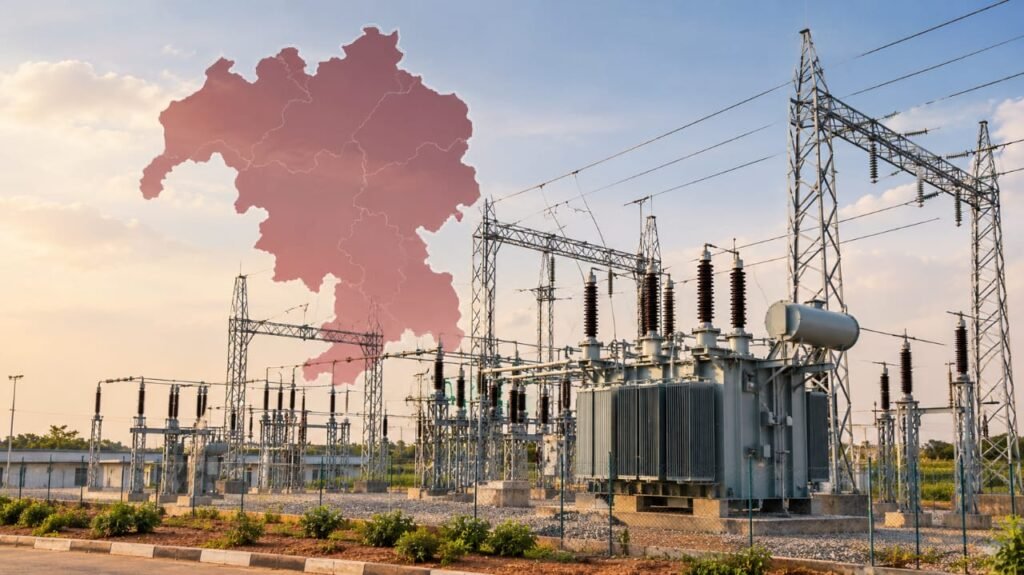
Nigeria’s modular refining industry is expected to record further growth in 2027, with seven new refineries projected to begin operations at a combined capacity of 83,000 barrels per day.
The projection was disclosed by Argus Media’s George Maher-Bonnett during a presentation at the OTL Africa Downstream conference in Lagos on Wednesday.
Speaking on the changing trends in Nigeria’s petroleum products market, Maher-Bonnett said four modular refineries were operating in the country as of September, with a combined capacity of 32,000 barrels per day.
He said seven additional modular refineries were expected to commence operations next year, adding 83,000 barrels per day to the country’s refining capacity.
If the projects are completed as projected, their combined capacity would be more than twice that of the four modular refineries currently operating, increasing the contribution of smaller facilities to domestic fuel production. However presentation did not disclose the names, locations, owners or individual capacities of the seven proposed refineries.
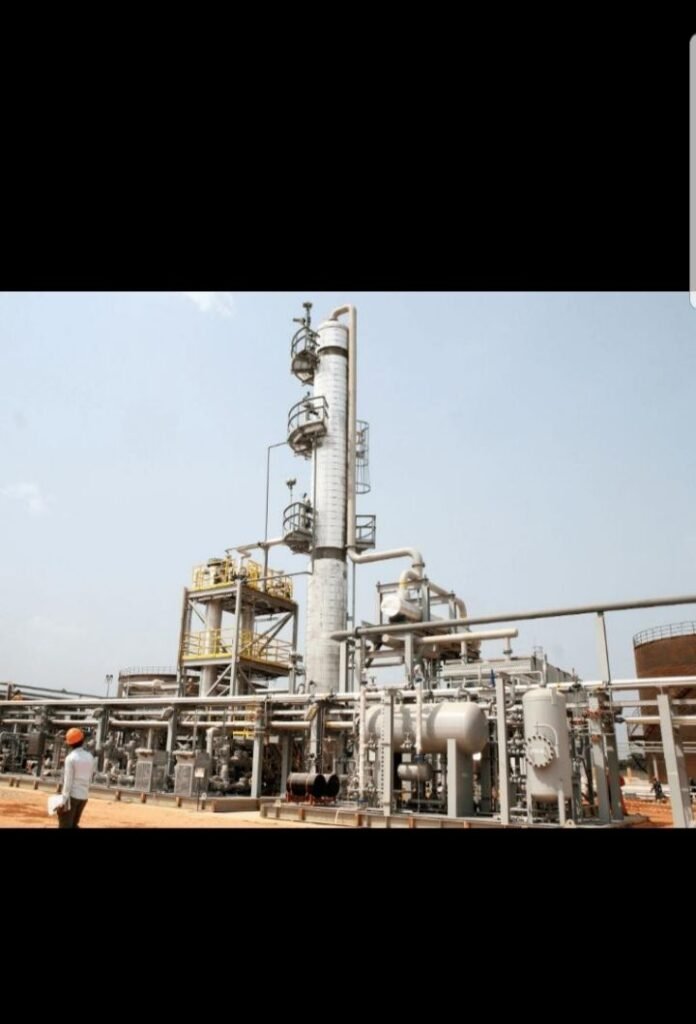
Maher-Bonnett also discussed the growing impact of the Dangote Petroleum Refinery on Nigeria’s domestic fuel supply, noting that increased local production was improving the country’s ability to meet its petroleum needs.
His presentation, titled African Energy Outlook, also highlighted a decline in Nigerian fuel demand this year, which it attributed partly to higher pump prices.
It noted that the Nigerian National Petroleum Company Limited had reduced fuel prices during the period under review, describing it as the only government intervention recorded.
The report further stated that the Dangote refinery was operating at a high rate, with petrol production remaining steady.
The development is changing petroleum trade patterns in West Africa, as increased domestic refining reduces the need to import certain products from Europe.
The presentation also pointed to developments in Ghana’s refining sector, noting that the 45,000-barrel-per-day Tema refinery was increasing production and improving the country’s domestic supply capacity.
Meanwhile, the economics of transporting petroleum products from Europe to West Africa and from Europe to the United States have weakened, with shipping costs further affecting the competitiveness of these routes.
The expected expansion of Nigeria’s modular refining sector comes as the country continues to increase domestic refining capacity and adjust to changing fuel demand and international petroleum trade patterns.